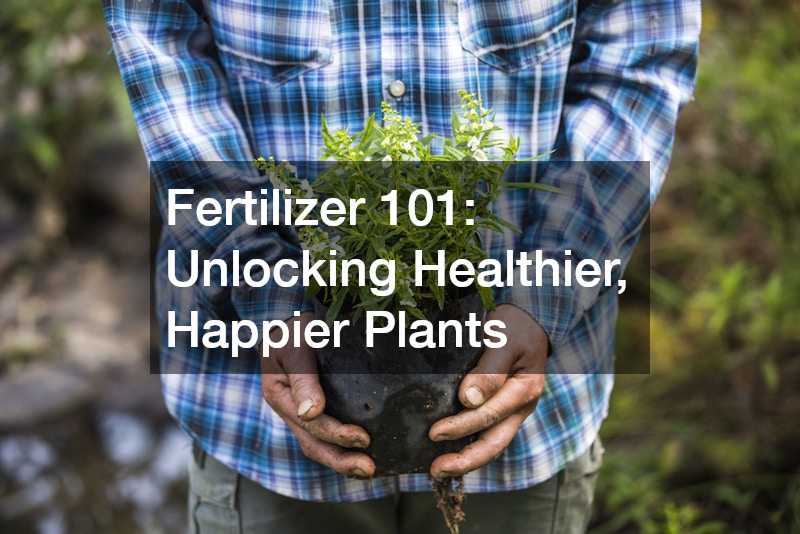

The pivotal role of fertilizers in cultivating robust plant health cannot be overstated. Fertilizers seamlessly bridge the gap between soil nutrient deficiencies and plant needs, ensuring healthier growth and enhanced vitality. By replenishing essential nutrients, fertilizers contribute significantly to plant development, yielding lush foliage and vibrant blooms.
This comprehensive guide will delve into the intricacies of fertilization, equipping you with knowledge to nurture your plants into thriving specimens. From selecting the right kind of fertilizer to applying it effectively, we’ll cover everything you need to know to unlock the potential of your green companions.
What is Fertilizer and Why is it Important?
Fertilizers are compounds applied to plants or soil to supply essential nutrients and promote growth. They contain three primary macronutrients: nitrogen (N), phosphorus (P), and potassium (K), commonly referred to as NPK. Fertilizers may also include secondary and micronutrients, such as calcium and iron. The primary function of fertilizers is to address nutritional deficiencies in the soil, which can inhibit plant growth and productivity. By enhancing the nutrient content available to plants, fertilizers help optimize their development and response to environmental conditions. Fertilizers replenish vital nutrients that may be depleted in the soil due to factors such as crop harvest, weathering, and leaching. By ensuring nutrient availability, fertilizers enhance photosynthetic efficiency and overall plant metabolism. Consequently, gardens benefit from more robust flowering, better fruit and seed formation, and increased resistance to pests and diseases.
How to Choose the Right Fertilizer for Your Plants?
Soil Testing and Analysis
Soil testing is a fundamental step in selecting the appropriate fertilizer, as it identifies nutrient levels and potential deficiencies. By understanding your soil’s composition, you can match fertilizers more accurately to complement existing conditions, promoting optimal growth. Soil kits, available commercially, offer a convenient way to monitor variables like pH, nitrogen, and potassium content. Regular soil testing helps tweak fertilization strategies, ensuring sustained nutrient balance throughout each growing season. Investing time in analysis leads to smarter fertilization decisions and superior plant health.
Matching Fertilizer to Plant Type
Different plant species have varied nutritional requirements, necessitating tailored fertilization to maximize growth potential. For instance, flowering plants thrive with fertilizers rich in phosphorus, while leafy vegetables benefit from fertilizers rich in nitrogen. Understanding these specific nutrient demands informs more targeted fertilizer selection, allowing you to optimize garden performance.
Nutrient Needs for Different Plants
The nutrient needs of plants correlate with their growth stages and environmental stresses. Young plants and those in stages of rapid growth demand higher nitrogen intake for optimal development. As plants enter flowering or fruiting phases, an increased need for phosphorus and potassium arises, supporting bud production and energy transfer. Understanding these shifts ensures dynamic, responsive approaches to fertilization throughout a plant’s lifecycle. Attention to specific nutrient needs fosters strong, resilient growth and maximizes overall productivity.
What Are the Key Ingredients in Fertilizer?
Macronutrients: N, P, K
Primary macronutrients—nitrogen (N), phosphorus (P), and potassium (K)—constitute the backbone of most fertilizers. Nitrogen fuels healthy leaf production and rapid vegetative growth, ensuring robust plant structure. Phosphorus advances root development and facilitates energy transference essential for flowering and fruiting. Potassium influences overall plant resilience, promoting stress tolerance and disease resistance. This trio acts synergistically, enabling essential biological processes that keep plants thriving.
Micronutrients Importance
Though required in smaller quantities, micronutrients play an indispensable role in plant health and productivity. Elements like iron, manganese, and zinc function as enzyme cofactors, driving biochemical reactions essential for growth. Without adequate micronutrient availability, plants exhibit deficiencies that hinder photosynthesis or weaken structural integrity. Incorporating balanced micronutrient sources in fertilization regimes ensures hormone production and energy cycles remain uninterrupted. Recognizing the importance of micronutrients elevates holistic plant nutrition approaches, fostering well-rounded vitality.
The Role of Additives
Additives in fertilizers perform specific functions that enhance plant nutrition, such as pH regulation or water retention. Substances like lime help counteract soil acidity, optimizing nutrient availability and uptake rates. Hydrogel additives can improve moisture retention in drier climates, safeguarding against dehydration. Additionally, mycorrhizal fungi inoculants foster beneficial root interactions, boosting nutrient absorption. Thoughtful inclusion of additives aligns fertilization practices with unique environmental conditions for superior plant health outcomes.
How Ingredients Affect Plant Health
The nutritional impact of fertilizer ingredients directly affects plant vigor, floral development, and stress adaptability. Nutrient-rich formulations ensure vitality, enabling robust plant resilience and harvest potential. However, imbalanced ingredients risk nutrient toxicity, impeding growth and declining landscape aesthetics. Effective ingredient management means achieving harmony between supply and demand, avoiding plant stressors. Drawing on ingredient knowledge allows gardeners to channel nutritional interventions and maximize the rewards of balanced fertilization.
Utilizing fertilizers effectively can transform your garden, enabling plants to flourish and reach their full potential. This comprehensive guide outlines the importance of understanding fertilizer types, application timing, and the crucial role of proper nutrient balance. By incorporating these practices into your gardening approach, you maximize plant happiness and achieve vibrant growth. Harnessing the power of fertilizers can elevate your gardening journey, unlocking resilience and thriving ecosystems. Commitment to learning and adjusting fertilization strategies ensures bountiful returns and contributes to sustainable garden stewardship.


